What Is a Vehicle Scrapping Certificate and How Is It Used?
India’s vehicle ecosystem is undergoing a structural shift. With tighter fitness norms, stricter pollution control enforcement, and formalised end-of-life vehicle management under the Vehicle Scrappage Policy, the way old vehicles are retired has changed significantly. Informal dismantling yards are being replaced by authorised, regulated systems. At the heart of this transformation is one critical document: the vehicle scrapping certificate.
For individual car owners, commercial vehicle operators, and fleet managers alike, understanding this certificate is essential. It is not just a procedural formality. It is the legal closure of a vehicle’s lifecycle and the gateway to compliance, benefits, and protection from future liability.
This article explains in detail what a vehicle scrapping certificate is, how it is issued, and how it is used in practical terms.
Understanding the Vehicle Scrapping Certificate
A vehicle scrapping certificate, sometimes referred to as a certificate of vehicle scrapping or end-of-life vehicle certificate, is an official document issued after a vehicle has been permanently dismantled at an authorised facility.
It serves three core purposes:
- It confirms that the vehicle has been dismantled through an approved process.
- It triggers cancellation of the vehicle’s Registration Certificate (RC).
- It ensures the vehicle is permanently removed from national transport records.
- In simple terms, this certificate formally ends the legal existence of a vehicle.
Without it, a vehicle may be physically destroyed but still remain active in government databases. That gap can create legal and financial risks for the registered owner.
Why Was the Vehicle Scrapping Certificate Introduced?
India has millions of ageing vehicles on the road, many of which no longer meet modern emission or safety standards. Historically, vehicles were often sold informally for scrap, dismantled in unregulated yards, and stripped for parts without proper documentation. This created several challenges:
- Environmental hazards due to unsafe disposal of oils, batteries, and fluids.
- Continued legal liability for owners because deregistration was incomplete.
- Illegal reuse of chassis or identity details.
- Loss of recyclable material value due to inefficient dismantling.
To address these concerns, the government formalised the scrapping ecosystem. Under the current regulatory framework overseen by the Ministry of Road Transport and Highways, only authorised centres can dismantle vehicles and issue a legally recognised scrapping certificate.
This move ensures traceability, accountability, and environmental compliance.
Who Issues a Valid Vehicle Scrapping Certificate?
A valid vehicle scrapping certificate can only be issued by a Registered Vehicle Scrapping Facility (RVSF).
An RVSF is a government-authorised facility that operates under strict operational and environmental guidelines. These facilities are digitally integrated with the national vehicle database through the VAHAN system.
This integration is critical. Once a vehicle is scrapped at an RVSF:
- Its details are verified against national records.
- The deregistration process is initiated digitally.
- A formal Certificate of Deposit or scrapping certificate is generated.
If a vehicle is dismantled outside an authorised RVSF, the owner will not receive a valid scrapping certificate, and the RC may remain active.
How Is a Vehicle Scrapping Certificate Generated?
The process of obtaining a vehicle scrapping certificate follows a structured, multi-step procedure. It is designed to ensure both regulatory compliance and environmental safety.
First, the vehicle owner submits the necessary documentation. This typically includes the original Registration Certificate, identity proof, address proof, and in some cases, loan closure documentation if the vehicle was financed.
Once the vehicle reaches the authorised scrapping facility, its identity is verified. Officials inspect the chassis number and engine number and cross-check ownership details against government records.
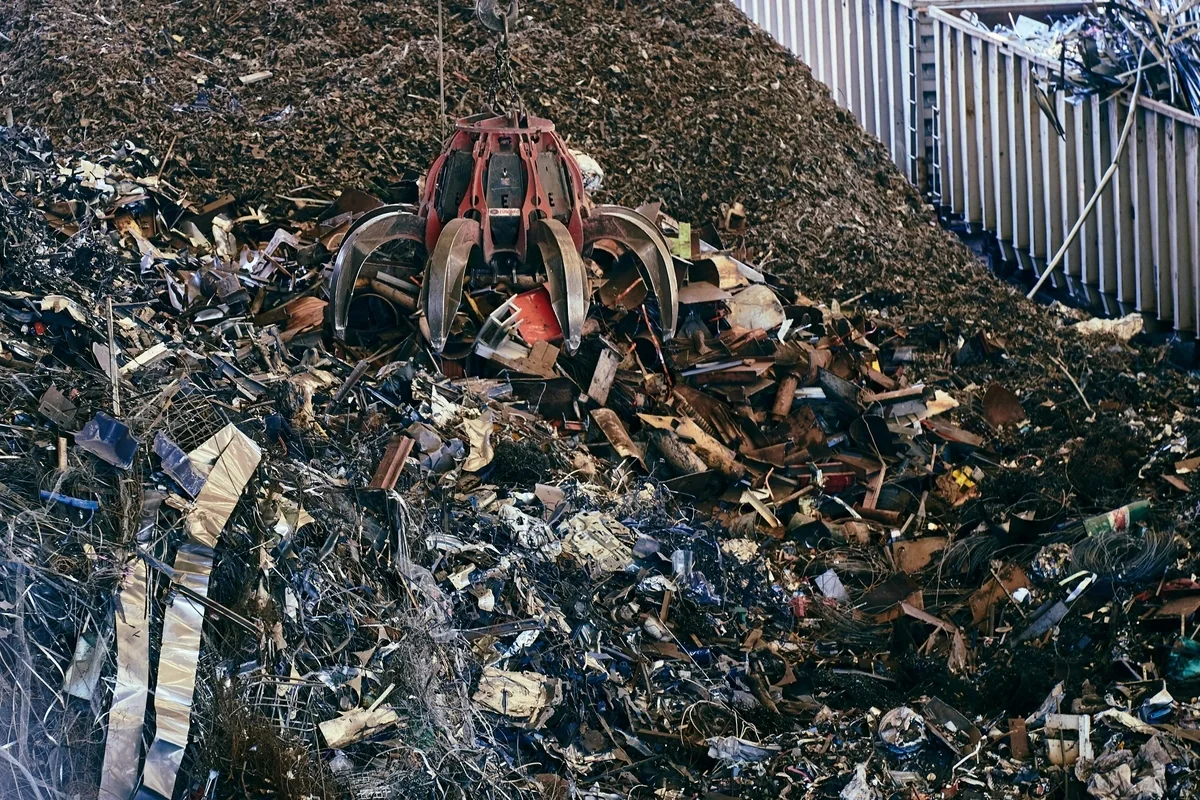
After verification, the vehicle undergoes depollution. This is a crucial step. Hazardous materials such as fuel, oil, brake fluid, coolant, and battery components are safely removed. Only after this does systematic dismantling begin. Recyclable materials are separated, reusable parts are processed under regulation, and non-recyclable waste is disposed of safely.
Upon completion of dismantling, the scrapping facility generates the official vehicle scrapping certificate. Simultaneously, the RC cancellation request is processed through the VAHAN system, ensuring that the vehicle is permanently deregistered.
This digital integration ensures transparency and eliminates the possibility of duplicate identities or illegal reuse.
How Is a Vehicle Scrapping Certificate Used?
The vehicle scrapping certificate plays multiple roles beyond simply confirming destruction. It is used in legal, administrative, and financial contexts.
- Cancellation of Registration Certificate
The most immediate use of the certificate is to formally cancel the vehicle’s RC. Once processed, the vehicle is removed from active records in the national transport database.
This ensures that:
- The vehicle cannot be resold illegally.
- The owner is no longer liable for taxes or penalties.
- The vehicle cannot be used for unlawful activities under the original registration.
Without proper RC cancellation, ownership may still be legally attributed to the previous owner.
- Claiming Scrappage Benefits
Under the current scrappage framework, owners who retire old vehicles at a registered vehicle scrapping facility receive a Certificate of Deposit or CD. Using the CD, the End-of-life vehicle (ELV) owner may be eligible for certain incentives when purchasing a new vehicle.
These benefits may include:
- Manufacturer discounts on new vehicle purchases (up to 1.5% off on ex-showroom price.
- Concessions in registration fees.
- State-level road tax rebates, where applicable (up to 25%, varies by state)
To access these incentives, the certificate of deposit must be presented as official proof of vehicle retirement. Without it, eligibility cannot be verified.
- Protection From Future Liability
One of the most important functions of a vehicle scrapping certificate is liability protection.
If a vehicle’s deregistration is incomplete, its registration may remain active. This could result in the original owner being associated with:
- Traffic violations.
- Pending taxes.
- Criminal misuse of vehicle identity.
The scrapping certificate acts as definitive proof that the vehicle has been legally dismantled and removed from circulation. It protects the owner from unforeseen legal exposure.
- Audit and Compliance Documentation for Businesses
For fleet operators and commercial transport companies, vehicle disposal must be documented for financial and regulatory audits.
The vehicle scrapping certificate serves as:
- Proof of asset retirement.
- Evidence of compliance with environmental regulations.
- Supporting documentation for accounting adjustments.
In structured organisations, this documentation becomes part of formal asset lifecycle management.
Is a Vehicle Scrapping Certificate or Certificate of Deposit Mandatory?
In practice, yes.
If you intend to:
- Legally deregister your vehicle.
- Remove it from official transport records.
- Claim scrappage-related incentives.
- Protect yourself from future liability.
Then obtaining a vehicle scrapping certificate from an authorised RVSF is mandatory.
Simply selling a vehicle for scrap without formal documentation is no longer advisable under the current regulatory environment.
Common Misconceptions About Vehicle Scrapping Certificates
Many vehicle owners still hold outdated assumptions about scrapping. Some believe that handing over the vehicle to a local scrap dealer is sufficient. Others assume deregistration happens automatically once the vehicle is dismantled.
In reality:
- Physical dismantling does not automatically cancel the RC.
- Only authorised facilities can generate a legally valid scrapping certificate.
Understanding these distinctions is crucial in avoiding administrative complications.
The Environmental and Economic Impact
Beyond individual benefits, the vehicle scrapping certificate plays a role in India’s broader sustainability goals.
Authorised scrapping ensures:
- Scientific handling of hazardous materials.
- Higher rates of metal recycling.
- Reduction in environmental pollution.
- Improved efficiency in raw material recovery.
By formalising the end-of-life process, the scrappage ecosystem supports both environmental protection and circular economic growth.
A vehicle scrapping certificate is far more than a piece of paperwork. It is the formal closure of a vehicle’s legal, financial, and operational lifecycle. It confirms that the vehicle has been dismantled responsibly, deregistered properly, and removed from India’s active mobility system.
In today’s compliance-driven and digitally integrated transport ecosystem, informal scrapping is not just outdated, it is risky. The vehicle scrapping certificate provides clarity, legal protection, and access to policy-linked benefits.
For any vehicle owner planning to retire an ageing car or commercial vehicle, ensuring that the process concludes with a valid scrapping certificate/ certificate of deposit (CD) from the RVSF is the only secure and future-ready approach.